Why “It Drives Fine” Isn’t Always a Good Sign
“It drives fine.”
If you’ve ever said that about your car, you’re in good company. Most people use it as the default test: if it starts, moves, and doesn’t do anything obviously weird, everything must be okay.
The problem is that a lot of real issues don’t show up in obvious ways. At least not right away.
Cars Are Good at Hiding Problems
Modern vehicles are designed to keep going, even when something isn’t quite right.
Components wear gradually. Systems compensate. Warning signs show up slowly, then disappear, then come back later. By the time something feels clearly “wrong,” the underlying issue has often been there for a while.
That’s why “it drives fine” can be misleading. It usually just means the problem hasn’t reached the point where it’s impossible to ignore.
Small Changes Are Easy to Miss
Most car problems don’t start as dramatic failures. They start as subtle shifts:
- A steering wheel that’s just slightly off-center
- A vibration that only shows up at certain speeds
- Brakes that feel a little softer than they used to
The issue is that these changes happen gradually. You adapt without realizing it. What felt “normal” six months ago isn’t what feels normal now, but it doesn’t raise any alarms because the change was so slow.
So the car still “drives fine,” just not as well as it used to.
Wear Doesn’t Wait for Symptoms
A lot of components don’t need to fail completely to start causing damage.
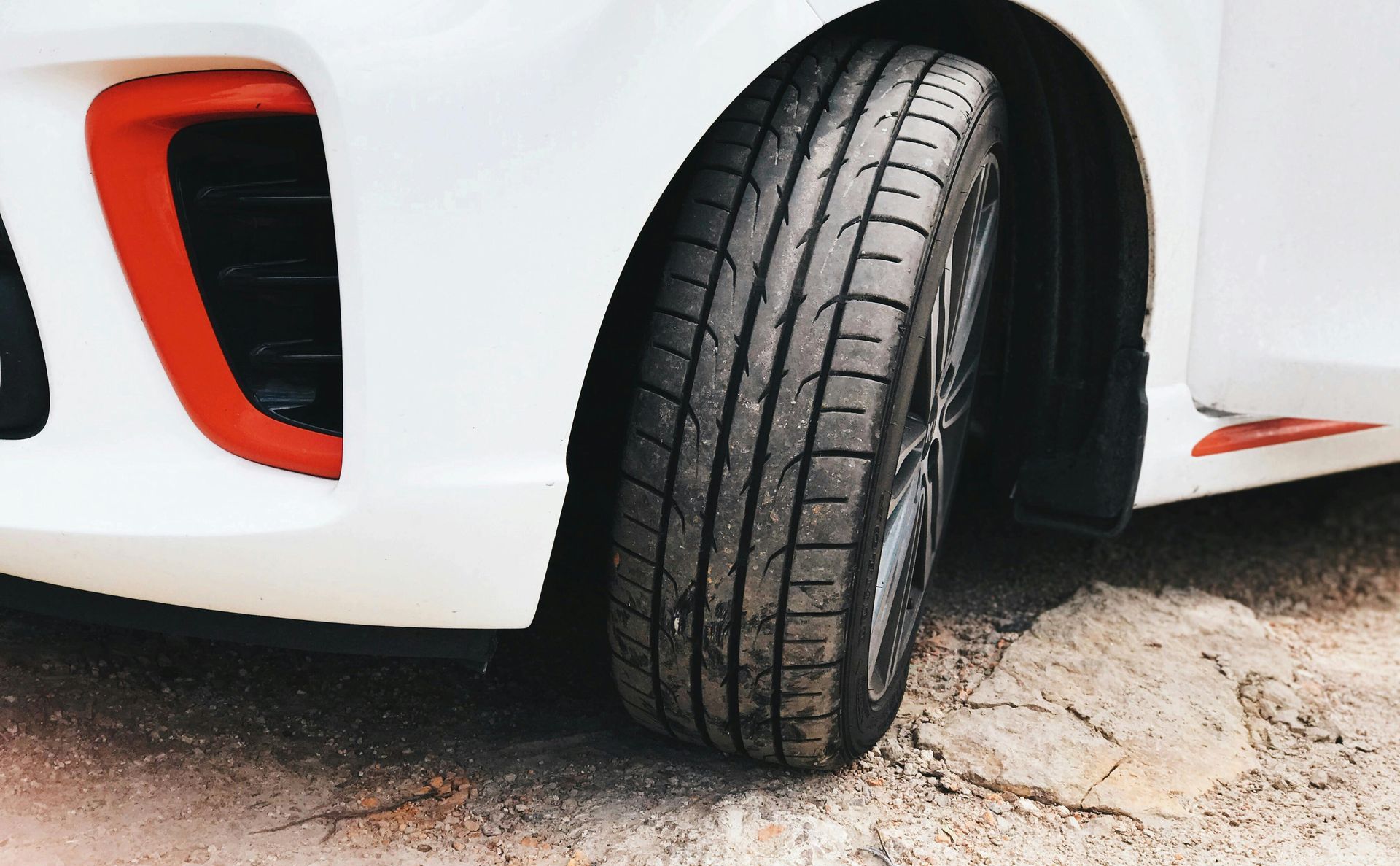
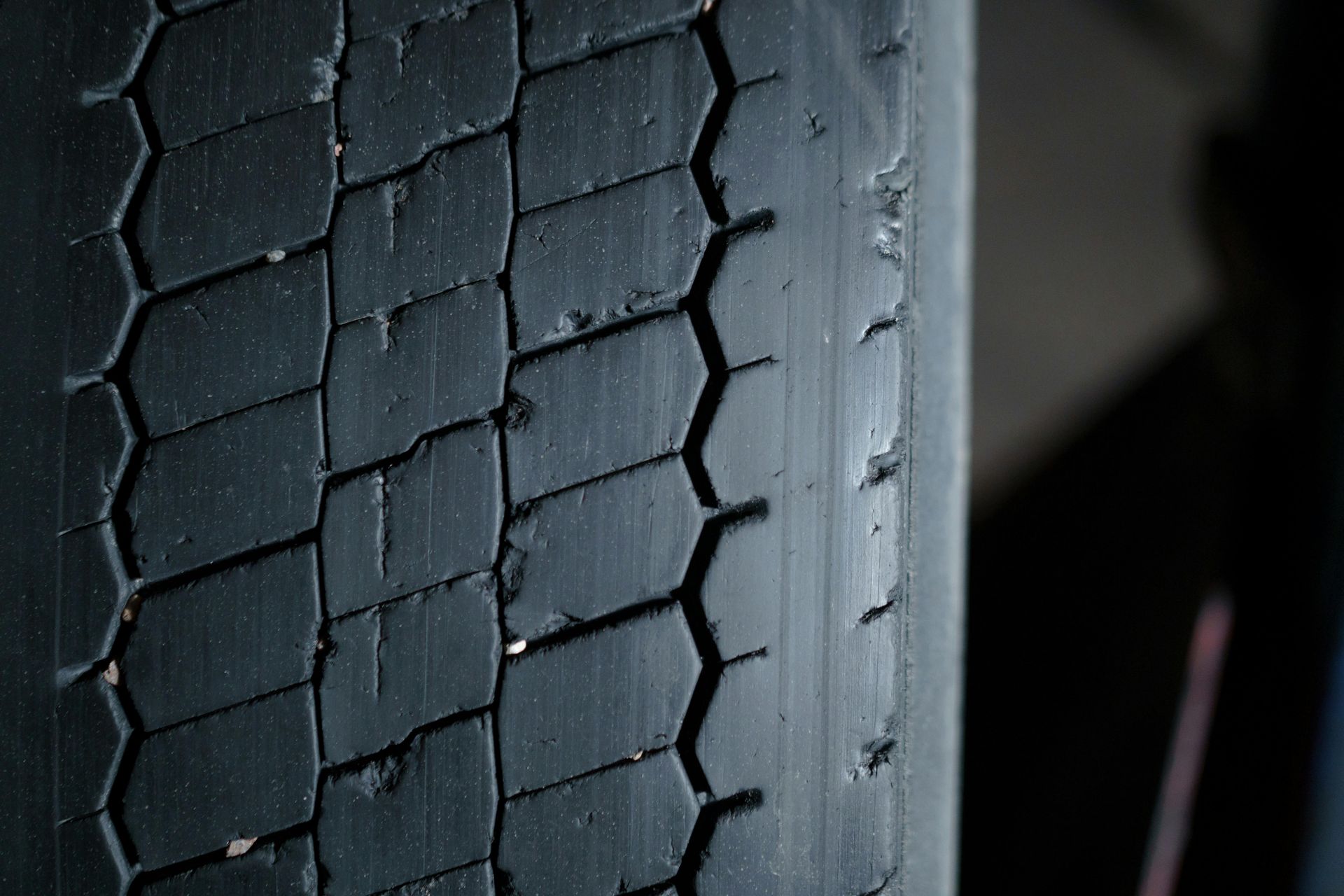
Alignment is a good example. Your car can drive straight enough that you don’t notice a problem, but still be out of spec enough to wear your tires unevenly. By the time you feel a pull, the damage is already done.
Same with suspension. Worn shocks or bushings might not feel dramatic at first, but they quietly affect tire wear, braking stability, and overall handling long before things feel unsafe.
In other words, performance can degrade long before comfort does.
“Fine” Doesn’t Mean Efficient
Even if your car feels normal, it might not be running efficiently.
A restricted air filter, for example, won’t necessarily make your engine feel weak, but it can reduce fuel economy. Slight misalignment won’t always make the car drift, but it can shorten tire life significantly.
These are the kinds of issues people live with for months, only realizing later that they’ve been paying for it the whole time in fuel, tires, or additional wear.
Intermittent Problems Get Ignored
One of the biggest traps is the problem that shows up ... then disappears.
A noise that happens once and doesn’t come back. A warning light that turns off on its own. A vibration that only shows up on certain roads.
It’s easy to dismiss these because they’re inconsistent. But intermittent issues are often early indicators of something developing, not something resolving.
Just because it went away doesn’t mean it’s gone.
The Cost of Waiting
The risk with “it drives fine” isn’t that your car will suddenly fail tomorrow. It’s that small, manageable issues turn into larger, more expensive ones over time.
Uneven tire wear leads to early replacement. Minor suspension wear spreads to other components. Small inefficiencies add up across months of driving.
By the time the problem becomes obvious, the repair is usually bigger than it needed to be.
Paying Attention Without Overthinking It
This doesn’t mean you need to panic over every little noise or change.
It just means paying attention to patterns:
- Does something feel different than it used to?
- Has a minor issue shown up more than once?
- Are you making small corrections while driving that you didn’t before?
You don’t need a diagnosis. You just need to notice when something has shifted.
When “Fine” Isn’t the Goal
The goal isn’t for your car to be “fine.” It’s for it to be consistent, predictable, and operating the way it was designed to.
When something starts to drift from that, even slightly, it’s usually worth a closer look.
Because the earlier you catch an issue, the more likely it is to be simple, affordable, and contained.
Realistically ...
“It drives fine” is a useful gut check, but it’s not a full diagnosis.
Cars can hide a lot before they force your attention. The trick is not waiting until they do.
If something feels even a little different, it’s worth asking why. That small moment of attention is often what keeps a minor issue from becoming a major one.