What Happens If You Hit a Curb (Even Once)?
It doesn’t take a major accident to cause real damage to your car. Sometimes, all it takes is one misjudged turn into a parking lot, a tight drive-thru lane, or a moment of distraction—and suddenly your tire clips a curb.
Most people shrug it off. Maybe you wince, check the tire, and keep driving.
But even a single curb hit can do more than you think.
It’s Not Just the Tire
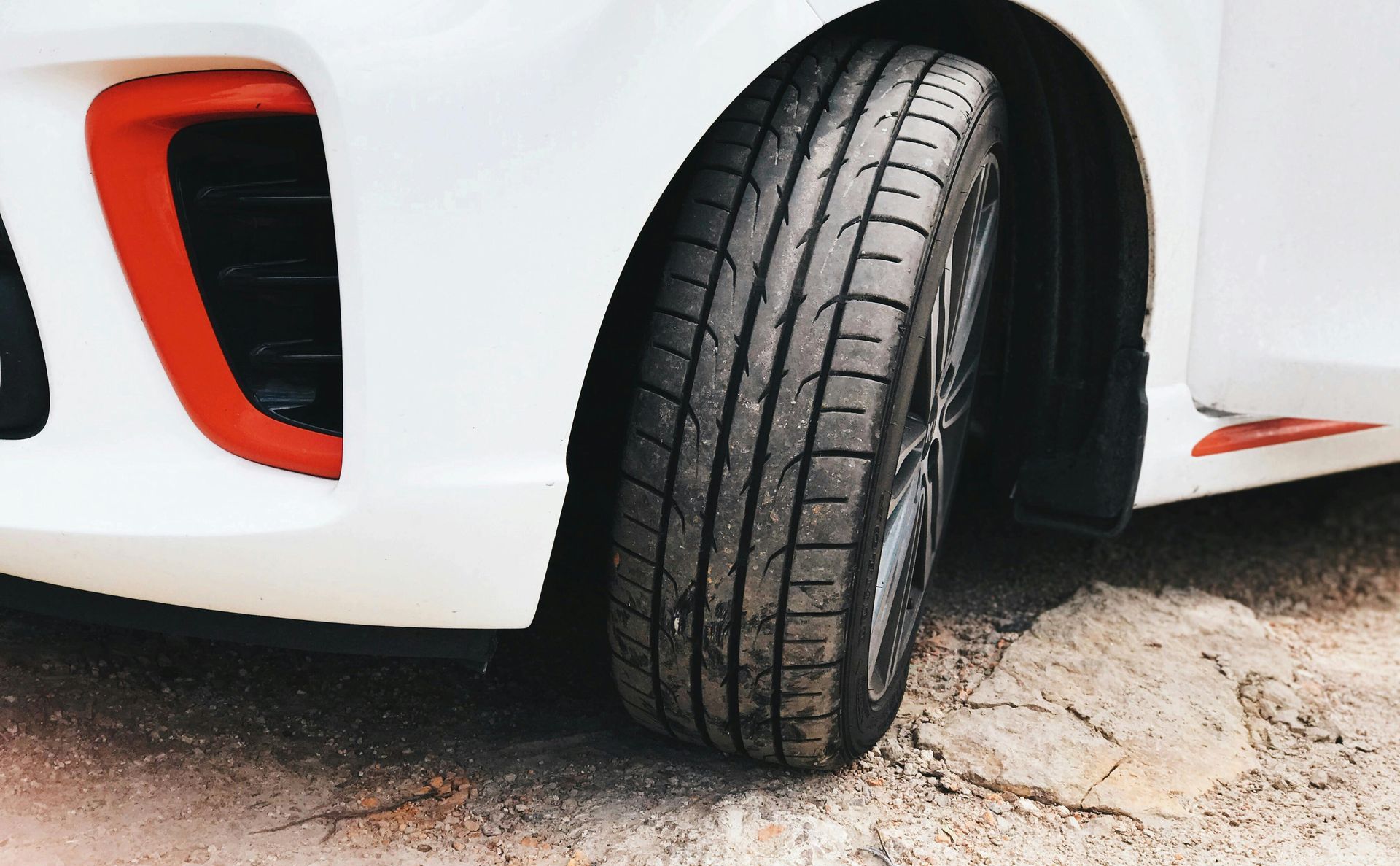
The tire is usually the first thing people look at—and sometimes, it does take the hit. You might see a scuff, a small chunk missing from the sidewall, or nothing at all.
But the real concern is what’s behind the tire.
When you hit a curb, the force travels through the entire wheel assembly. That includes:
- The wheel itself
- Suspension components
- Steering components
- Your alignment angles
Even at low speeds, that impact can knock things slightly out of place.
The Most Common Result: Alignment Damage
The number one issue after a curb hit is misalignment.
Your wheels are set to very specific angles so your car drives straight, your tires wear evenly, and your steering feels stable. A curb impact can shift those angles just enough to cause problems.
You might notice:
- The steering wheel is no longer centered
- The car pulls slightly to one side
- You have to constantly correct while driving
Sometimes the change is subtle. Sometimes it’s immediate and obvious. Either way, it doesn’t fix itself.
Bent Wheels Are More Common Than You Think
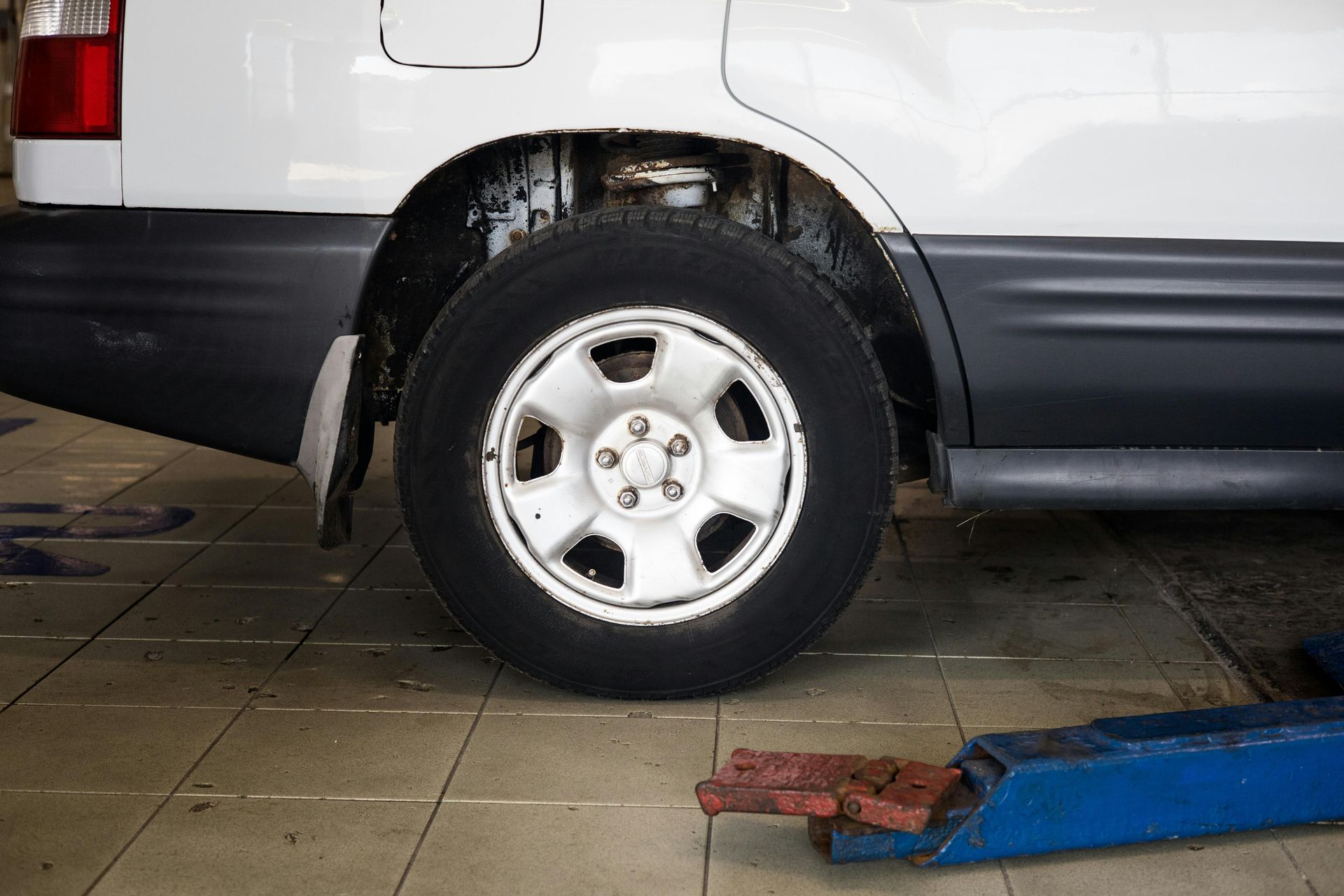
Curbs don’t just mess with alignment, they can physically bend your wheel.
This is especially true with modern alloy wheels, which are lighter but less forgiving than older steel ones.
A bent wheel can cause:
- Vibration at higher speeds
- Slow air leaks
- Uneven tire wear
And here’s the tricky part: you may not feel it right away. The issue often shows up days later when you’re on the highway wondering why your car suddenly feels “off.”
Tire Damage Isn’t Always Visible
Even if the tire looks fine, that doesn’t mean it’s okay.
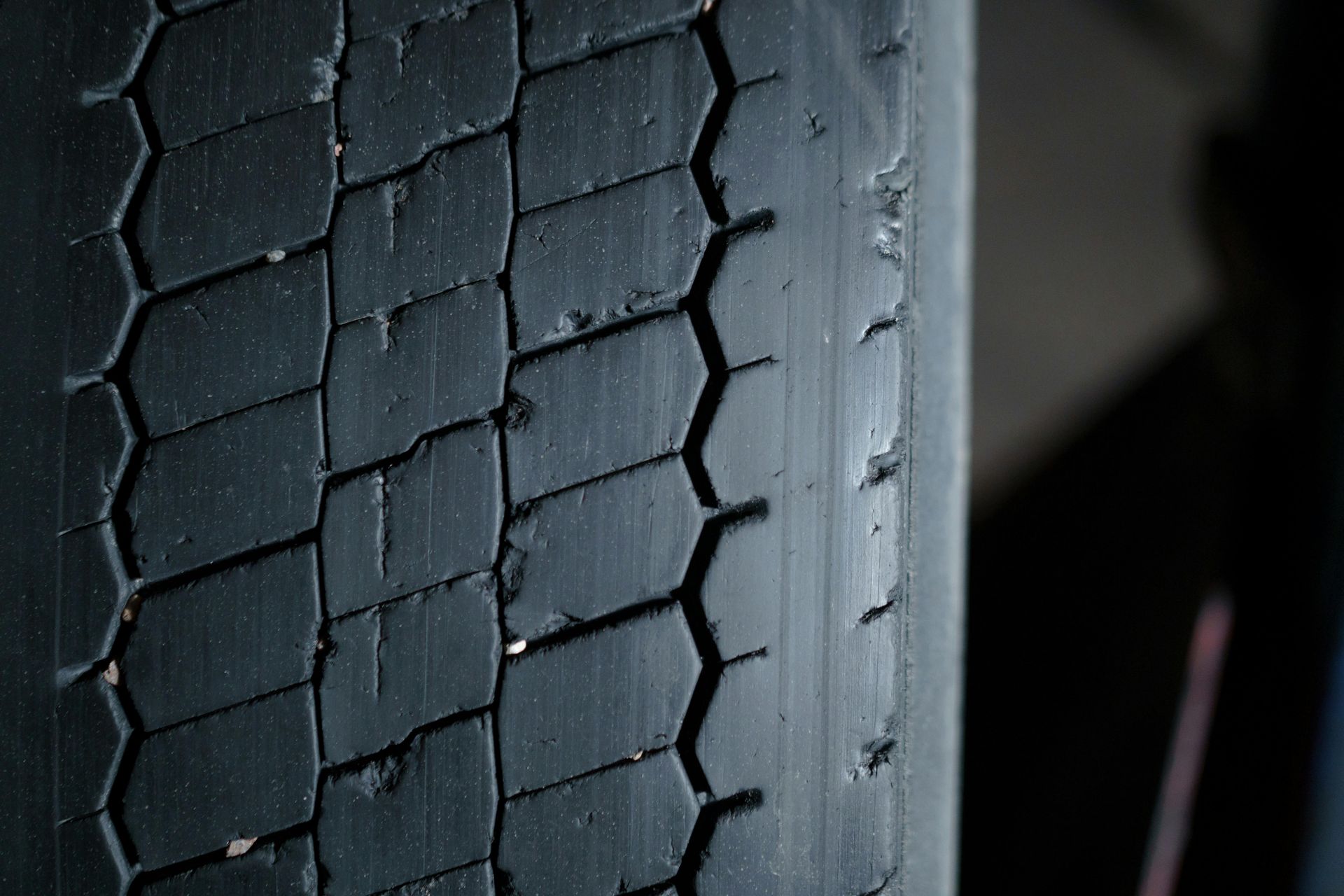
Curb impacts can weaken the internal structure of the tire, especially the sidewall. You might not see damage immediately, but over time, that weakened area can develop into:
- A bulge
- A slow leak
- Or, in worst cases, a blowout
If you hit a curb hard enough to feel it, it’s worth having the tire inspected, especially if it was a direct side impact.
Suspension and Steering Components Take the Hit
Your suspension is designed to absorb bumps in the road, not sharp, sideways impacts from a curb.
Depending on the force, you could be looking at stress or damage to parts like:
- Control arms
- Tie rods
- Ball joints
When these components are affected, it can lead to:
- Loose or wandering steering
- Clunking noises over bumps
- Faster wear on other parts
This is where a “small” incident starts turning into a bigger repair if ignored.
Why It Matters More Than You Think
A single curb hit might not leave you stranded, but it can start a chain reaction.
Misalignment leads to uneven tire wear. Uneven wear shortens tire life. Suspension stress leads to additional repairs.
What felt like a minor mistake can quietly cost you hundreds (or more) over time.
What You Should Do After Hitting a Curb
If you’ve hit a curb, even once, pay attention to how your car feels afterward.
Watch for:
- Pulling or drifting
- Steering wheel changes
- New vibrations
- Unusual tire wear
If anything feels different, it’s worth getting it checked. A quick inspection can confirm whether everything is still in spec or if a simple alignment can prevent bigger issues down the road.
Hey, It Happens
You’re not the first, and you won’t be the last. But it’s not something to ignore.
Even a low-speed impact can affect alignment, damage a wheel, or stress suspension components. Catching those issues early is the difference between a quick fix and a much more expensive problem later.
If your car feels even slightly different after a curb hit, trust that instinct and call us. It’s usually right.