Why Your Steering Wheel Isn’t Straight (And Why It Matters More Than You Think)
You are driving straight down the road, but your steering wheel is turned slightly to the left. Or maybe to the right. The car seems to go where you point it, so you shrug it off.
This is one of the most ignored warning signs we see at Quick Align Automotive. And it is almost always a sign that something underneath your vehicle is out of spec.
A crooked steering wheel is not just an annoyance. It is usually evidence of an alignment or suspension issue that can quietly affect your safety, handling, and tire life.
Here is what it really means, and why it matters.
What a Crooked Steering Wheel Is Telling You
When your steering wheel is straight, your front wheels should also be straight. If they are not, something has shifted. The most common causes include:
- Hitting a pothole, curb, or road debris
- Normal wear in suspension components
- Worn tie rods, ball joints, or bushings
- After tire replacement without a proper alignment
- Minor collisions or undercarriage impacts
Even a small bump can knock your alignment out of specification. Over time, worn suspension parts can also slowly pull the wheels out of position.
Your steering wheel is simply the part you can see. The real issue is happening where the tires meet the road.
Why Alignment Matters More Than Most People Realize
Wheel alignment is not about making the steering wheel look nice. It is about how your tires contact the road. And when it's off, several things start happening:
Uneven Tire Wear
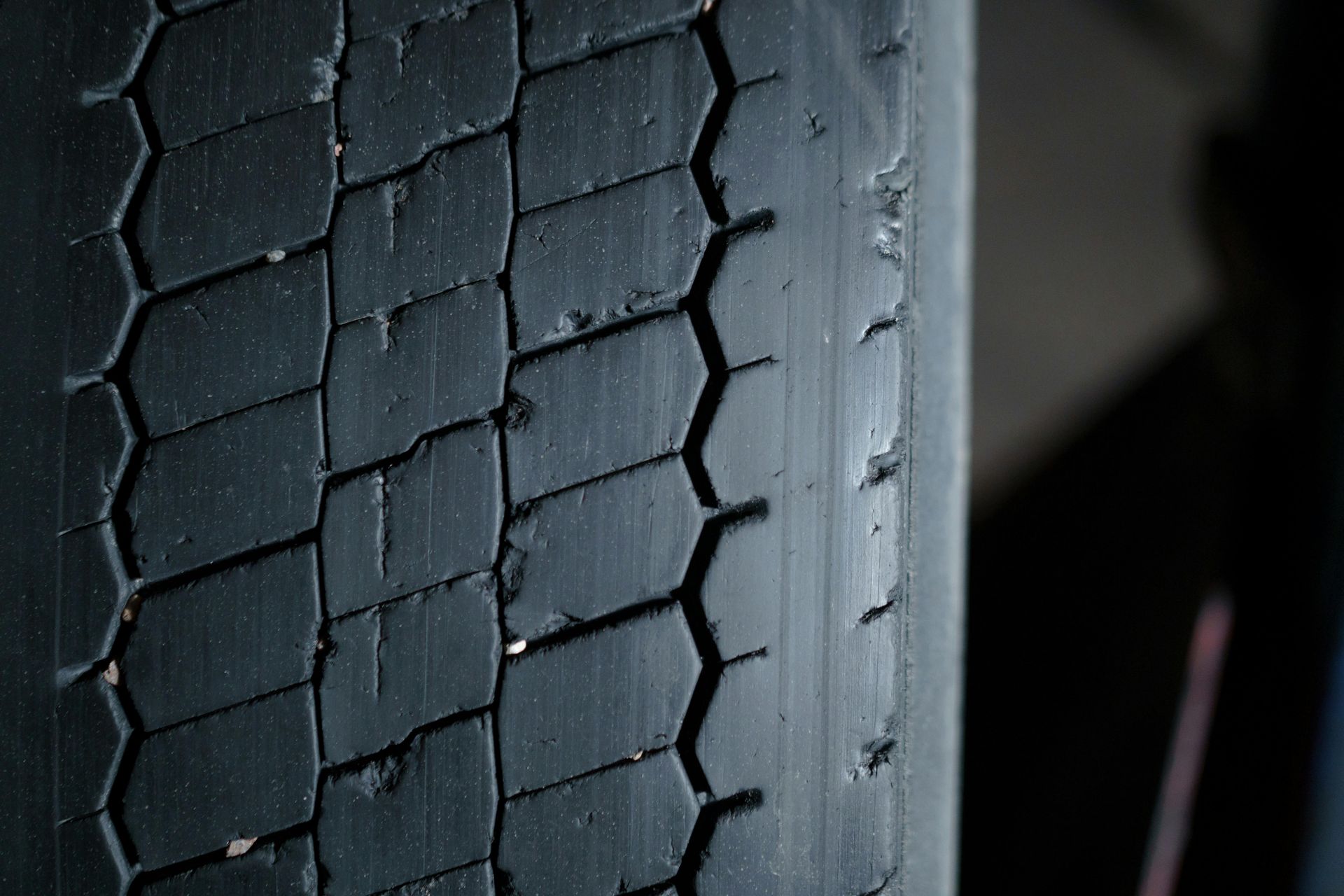
Misaligned wheels drag instead of rolling straight. That scrubs rubber off your tires in specific patterns. Inside edges wear out. Outside edges feather. Cupping develops. Tires that should last years can be ruined in months.
Poor Handling
Your car may drift, pull, or feel unstable. You may find yourself constantly correcting the wheel just to stay in your lane. That reduces control, especially in emergency situations.
Reduced Braking Efficiency
Tires that are not sitting flat on the road do not grip as well. That means longer stopping distances and less predictable braking.
Increased Suspension Stress
When wheels are out of alignment, suspension and steering parts are under constant strain. That accelerates wear on components that are far more expensive than an alignment.
Lower Fuel Efficiency
Misalignment increases rolling resistance. That means your engine has to work harder just to keep the car moving straight.
A crooked steering wheel is often the first visible sign that these problems are already starting.
“But the Car Drives Fine…”
We hear this a lot. And sometimes, at first, it does.
The problem is that alignment issues rarely cause dramatic failures. They cause gradual, expensive ones. By the time the vehicle is pulling hard, vibrating, or eating through tires, the damage has usually already been done.
The goal is to correct alignment before it costs you a set of tires or leads to suspension repairs.
When You Should Have It Checked
You should have your alignment inspected if:
- Your steering wheel is no longer centered
- Your vehicle pulls to one side
- Your tires are wearing unevenly
- You hit a pothole, curb, or road debris
- You replace tires or suspension components
- Your steering feels loose or unstable
Even if nothing feels “wrong,” visible steering changes are reason enough to look underneath.
The Bottom Line
A crooked steering wheel is not cosmetic. It is a warning.
It means your tires are not working the way they should. It means your suspension is under stress. And it often means you are slowly burning through tires and putting safety at risk without realizing it.
If your steering wheel is off center or your car is not tracking straight, contact Quick Align Automotive. Our experienced, ASE-certified technicians can inspect your alignment and suspension, explain what is happening, and help correct the issue before it turns into bigger problems.