How Dust, Pollen, and Road Grime Affect Your Car’s Systems
Most people think about car problems in terms of big events like engine trouble, brake issues, or something breaking outright.
But a lot of wear on your vehicle doesn’t come from dramatic failures. It comes from slow, constant exposure to the environment. In places like Texas, that means dust, pollen, and road grime quietly building up day after day.
It doesn’t look like much. But over time, it affects more of your car than you might expect.
Your Air Filters Take the First Hit
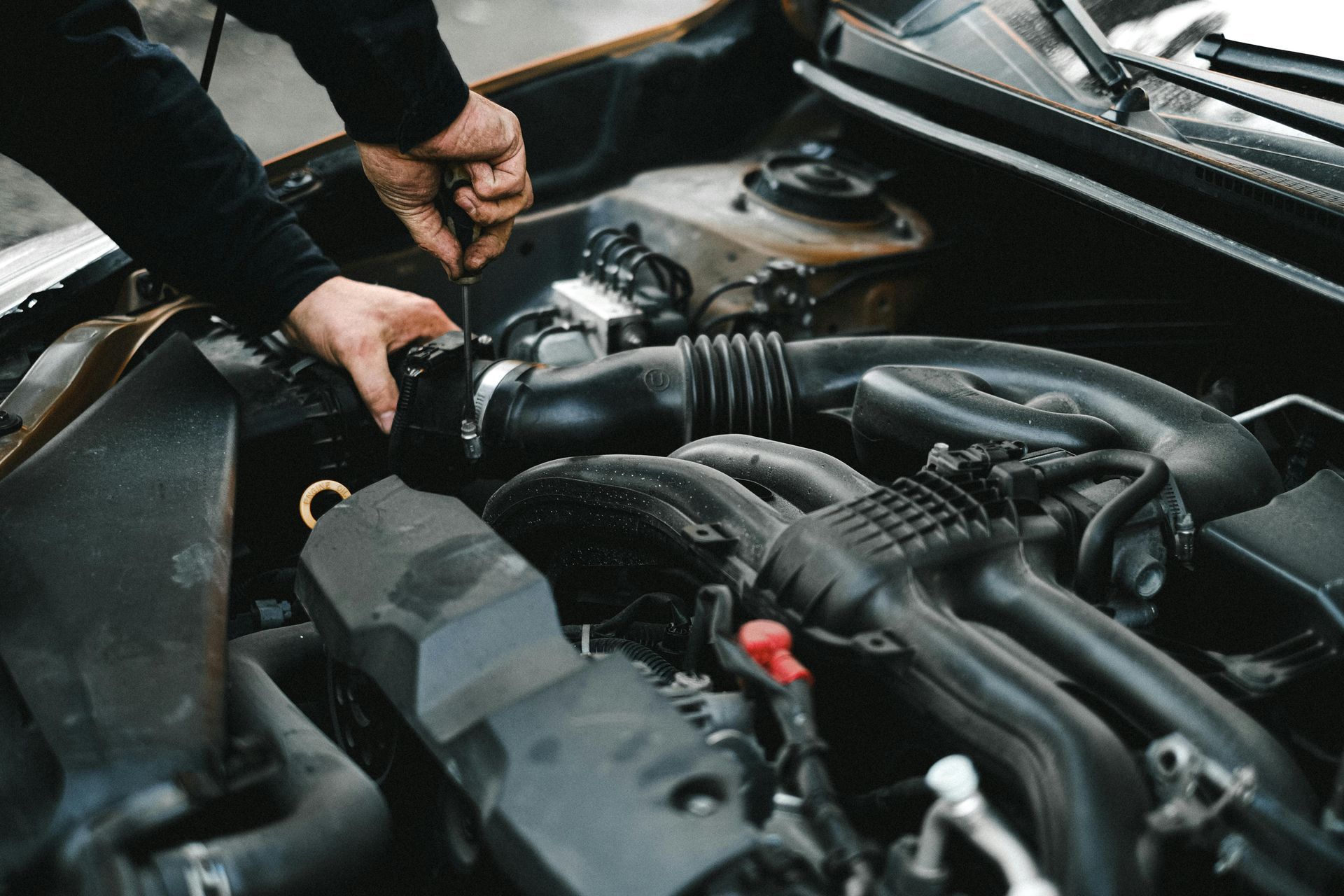
Your engine and cabin air filters are designed to catch debris before it causes problems. Dust and pollen are exactly what they’re there for.
The issue is how quickly they can clog.
A dirty engine air filter restricts airflow, which can reduce fuel efficiency and make your engine work harder than it should. A clogged cabin air filter, on the other hand, affects airflow inside the car, meaning weaker AC performance and that slightly musty smell that shows up out of nowhere.
In heavy pollen or dusty conditions, these filters can load up faster than most people expect.
Your AC System Works Harder Than It Should
That layer of grime on the outside of your car isn’t just cosmetic. It also builds up on components like your condenser, which plays a key role in your air conditioning system.
When dust and debris block airflow across the condenser, your AC system has to work harder to cool the air. In Texas heat, that’s the difference between “comfortable” and “why is this barely keeping up?”
Over time, that extra strain can shorten the life of AC components—and those aren’t cheap to replace.
Sensors and Electronics Don’t Love Dirt
Modern vehicles rely on a surprising number of sensors, and many of them are exposed to the elements.
Dust and grime can interfere with:
- Wheel speed sensors
- Parking sensors
- Backup cameras
You might notice things like inconsistent warnings, reduced accuracy, or systems that stop working intermittently. It’s rarely dramatic at first. Just small annoyances that get easier to ignore ... until they stop being small.
Suspension and Steering Components Wear Faster
Road grime doesn’t just sit on surfaces. It works its way into moving parts.
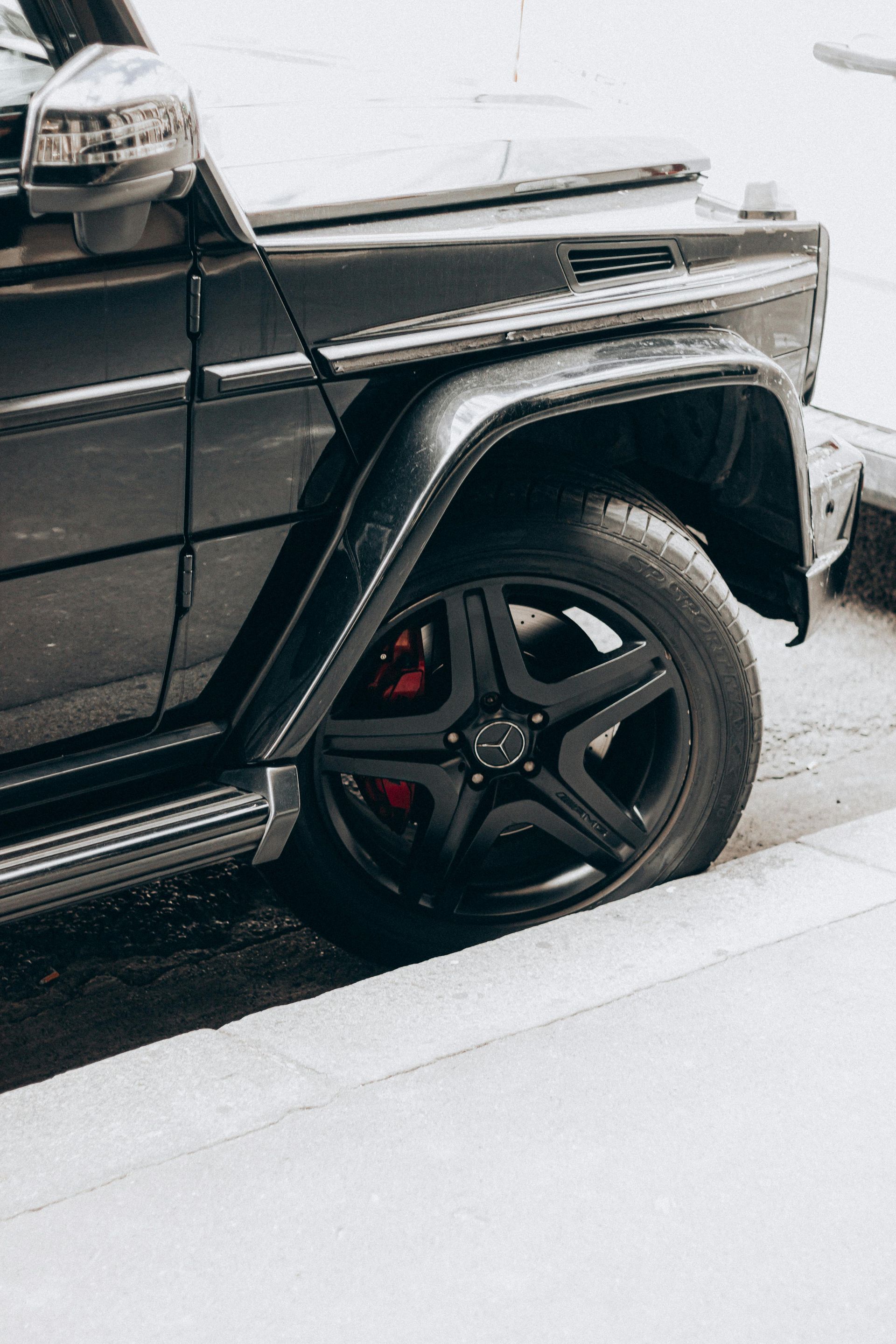
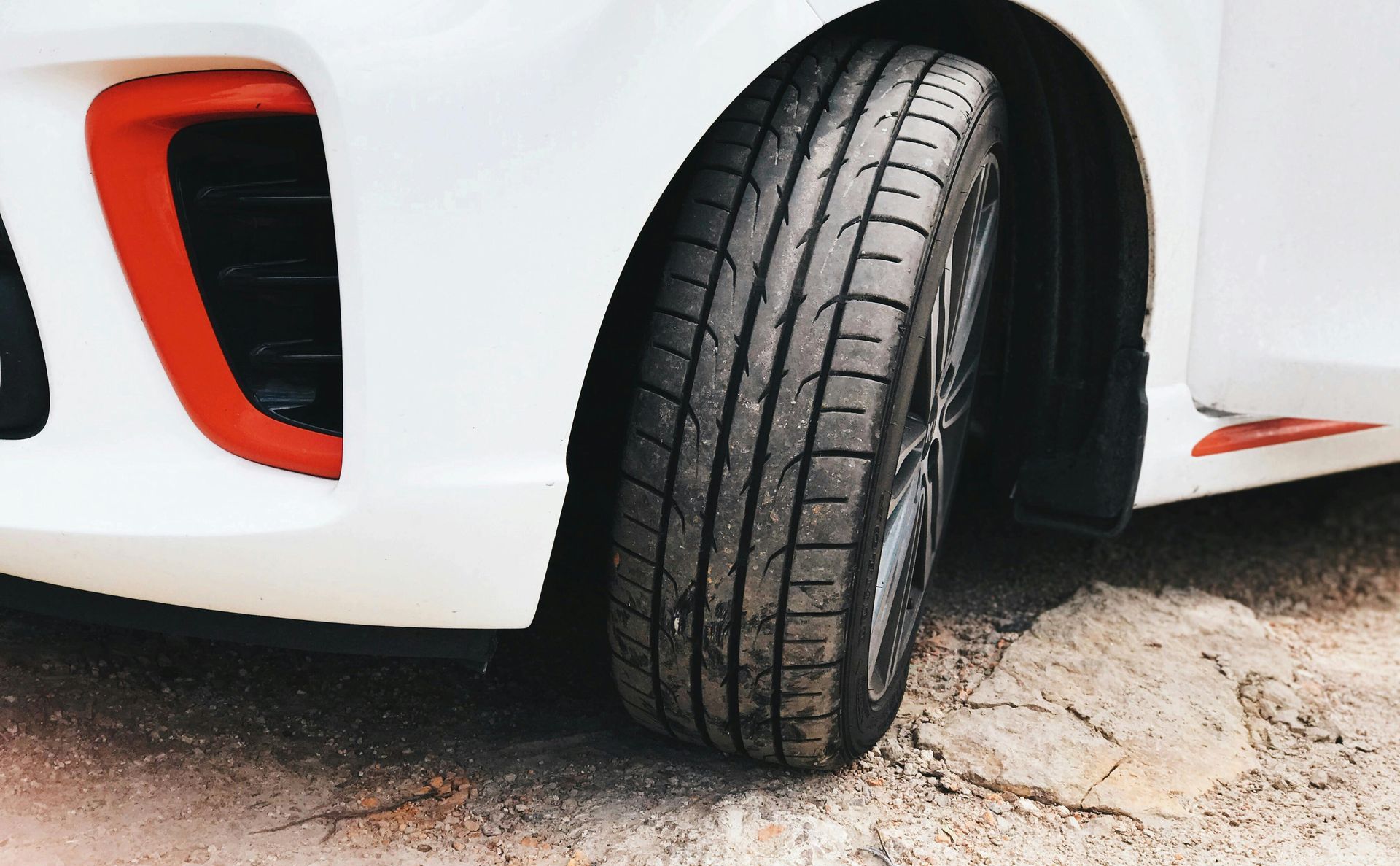
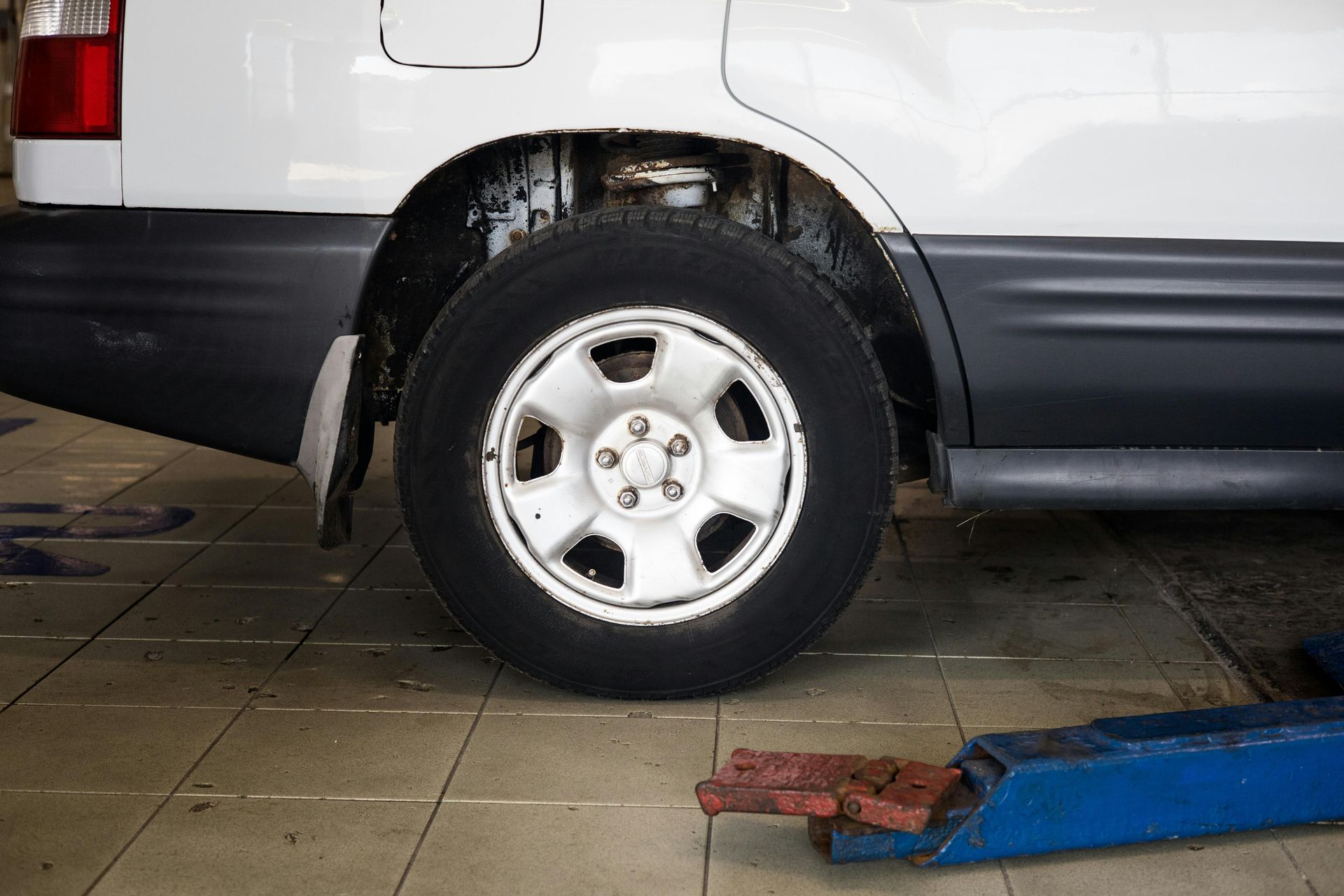
Components like ball joints, bushings, and tie rods are all exposed underneath your vehicle. When dirt and debris mix with moisture, they create a kind of abrasive paste that accelerates wear.
Over time, that contributes to:
- Looser steering feel
- Increased noise over bumps
- Shortened lifespan of suspension parts
It’s gradual, which is why it often goes unnoticed until something feels “off.”
Paint and Exterior Damage Adds Up
Even if you don’t care about keeping your car spotless, buildup on the exterior can still cause problems.
Dust and road grime can trap moisture against the paint, especially in seams and edges. Add pollen into the mix—which can be slightly acidic—and you’ve got a recipe for long-term wear on your clear coat.
Left alone, that can lead to:
- Fading
- Etching
- Premature paint breakdown
It’s not immediate, but it is cumulative.
It’s About Buildup, Not Perfection
None of this means you need to wash your car every other day or obsess over every speck of dust.
The issue isn’t occasional exposure. It’s sustained buildup.
When debris sits for long periods, it starts to interfere with airflow, movement, and protection. That’s when small, harmless particles turn into something that actually affects performance and longevity.
A Little Maintenance Goes a Long Way
Staying ahead of this doesn’t require anything complicated.
Regular washes help remove buildup before it becomes a problem. Replacing air filters on schedule (or sooner in heavy pollen seasons) keeps airflow where it should be. And occasional inspections can catch early signs of wear in components that don’t get much attention.
You’re not preventing a single big failure. You’re reducing a hundred small ones that add up over time.
Why It’s Easy to Overlook
Dust, pollen, and grime don’t cause immediate breakdowns. Your car will keep running, which makes it easy to assume everything is fine.
But they do create drag on your systems, literally and figuratively. Reduced airflow, increased friction, extra strain. Nothing catastrophic on its own, but enough to chip away at performance and lifespan.
What It Comes Down To
Your car doesn’t operate in a clean environment, and it’s not designed to stay untouched by it.
Dust, pollen, and road grime are part of everyday driving. The difference is whether they’re allowed to build up or regularly cleared away.
A little attention here and there keeps those small factors from turning into bigger, more expensive problems and keeps your car running the way it’s supposed to.