What Causes Uneven Tire Wear? (And What It’s Telling You About Your Car)
Your tires do not wear out randomly. They tell a story.
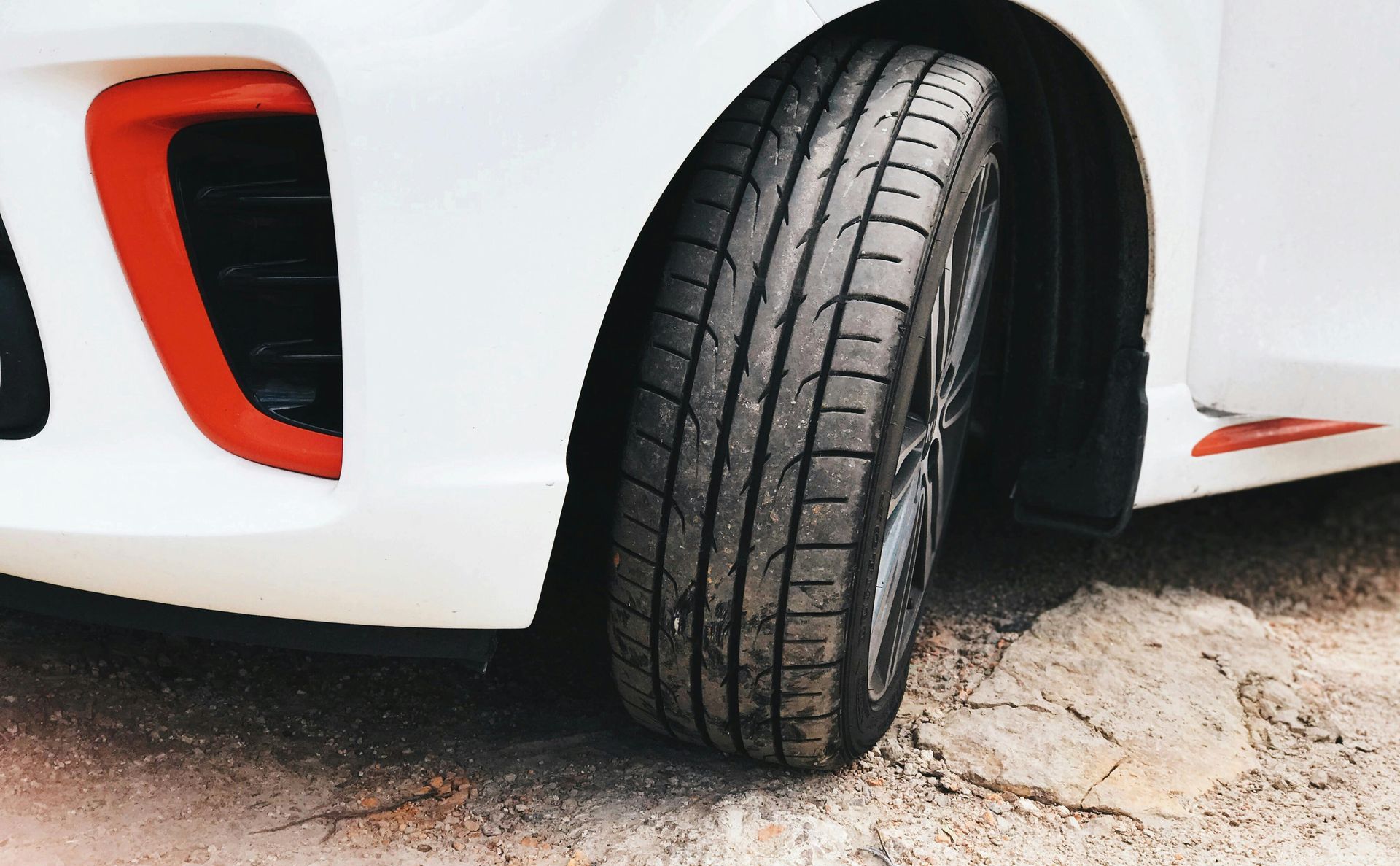
If you look closely at your tread and notice one side worn down, patches that feel choppy, or bald spots appearing too soon, your vehicle is trying to tell you something. Uneven tire wear is rarely just about the tire itself. It is usually a symptom of something happening underneath your car.
Catching it early can save you from buying tires thousands of miles sooner than you should.
Here is what different wear patterns often mean.
Tire Wear on the Inside or Outside Edge
If one edge of your tire is significantly more worn than the other, alignment is usually the first suspect.
When your wheels are not sitting at the proper angle, the tire does not meet the road evenly. Instead of rolling flat, it drags slightly on one edge. Over time, that constant scrub chews through rubber fast.
You might also notice:
- A steering wheel that is not centered
- The car pulling slightly left or right
- Faster wear on multiple tires
Left unchecked, poor alignment can destroy a relatively new set of tires in a surprisingly short amount of time.
Center Wear
If the center of the tread is worn down more than the edges, the issue is often overinflation.
Too much air pressure causes the middle of the tire to bulge outward, which means the center makes more contact with the road than the outer edges. The result is premature wear right down the middle.
The fix can be as simple as adjusting tire pressure to manufacturer specifications. That small correction can dramatically extend tire life.
Wear on Both Edges
When both outer edges are worn but the center looks fine, underinflation is usually the cause.
Low air pressure allows the tire to sag, placing more weight on the shoulders of the tread. Underinflated tires also run hotter, which increases the risk of blowouts, especially during long highway drives in Texas heat.
Checking your tire pressure regularly is one of the simplest and most overlooked ways to protect your investment.
Cupping or Scalloping
If your tire tread feels wavy or looks like it has dips around the surface, this is often called cupping.
Cupping typically points to worn shocks or struts. When suspension components can no longer keep the tire firmly planted on the road, the tire bounces slightly as you drive. That repeated bouncing creates uneven patches of wear.
You may also notice:
- A rougher ride
- Excessive bouncing after hitting a bump
- Clunking noises over uneven roads
This type of wear will not go away with an alignment alone. The underlying suspension issue needs to be addressed.
Feathering
Feathered tires feel smooth in one direction and sharp in the other when you run your hand across the tread.
This pattern often indicates a toe alignment problem. Instead of pointing straight ahead, the tires are slightly angled inward or outward, causing them to scrub sideways as they roll.
Feathering can reduce fuel efficiency and create a noticeable humming noise at higher speeds.
Why It Matters
Uneven tire wear is not just cosmetic. It affects braking performance, steering stability, fuel economy, and overall safety. It also shortens the life of your tires, which is one of the more expensive maintenance items most drivers face.
Replacing tires without correcting the root cause only restarts the cycle. The new set will wear the same way as the old one.
Your tires are one of the clearest indicators of your vehicle’s health. When they wear unevenly, they are pointing to issues like improper inflation, alignment problems, or worn suspension components.
If you have noticed unusual wear patterns, vibrations, or pulling, it is worth having your vehicle inspected. A quick alignment check or suspension evaluation now can prevent premature tire replacement and more expensive repairs later.
If you are unsure what your tire wear is telling you, contact Quick Align Automotive. Our ASE-certified technicians can identify the cause, correct the issue, and help you get the full life out of your tires.