How Often Should You Really Get an Alignment?

Wheel alignment is one of the most misunderstood services in automotive maintenance. Some drivers believe it is something you only do when you buy new tires. Others assume it is only necessary after a major repair.


The truth is simpler. Alignment is not about mileage alone. It is about conditions, driving habits, and how your vehicle feels on the road.


So how often should you really get an alignment?


There Is No One-Size-Fits-All Number


You may have heard recommendations like “every 6,000 miles” or “once a year.” While those guidelines are not bad starting points, they are not universal rules.


Alignment is affected by:


  • Road conditions
  • Potholes and curbs
  • Suspension wear
  • Minor accidents
  • Daily driving habits


If you regularly drive on rough Texas roads, hit potholes, or travel long highway distances, your alignment can shift sooner than expected.


For many drivers, having alignment checked once a year is a smart preventative step. But certain situations call for immediate attention.


After Hitting a Pothole or Curb


Modern suspension systems are durable, but they are not indestructible. A hard hit against a pothole, curb, or road debris can knock your wheels out of proper alignment instantly.


If you notice:


  • The steering wheel is no longer centered
  • The car pulls left or right
  • A vibration at highway speeds


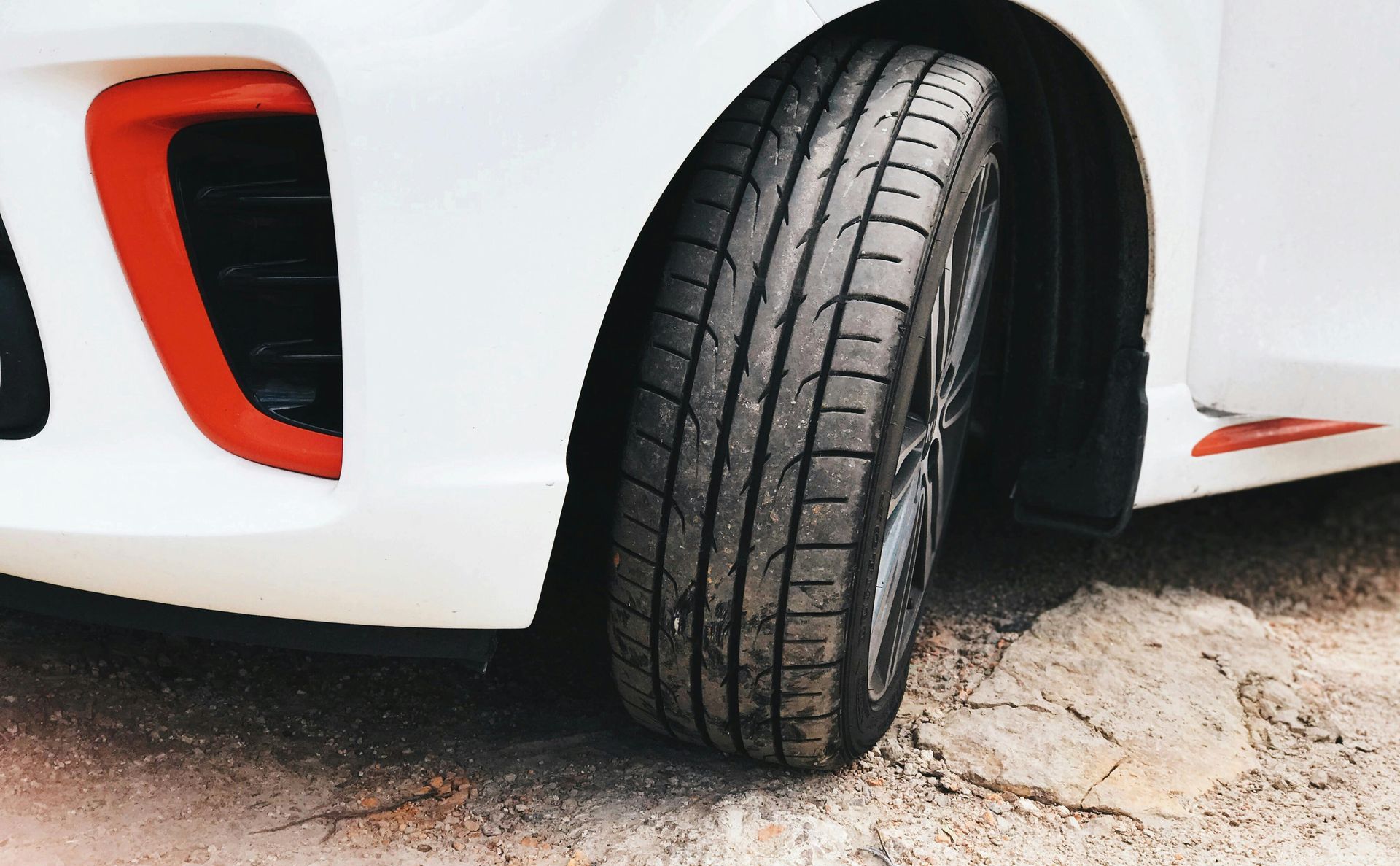
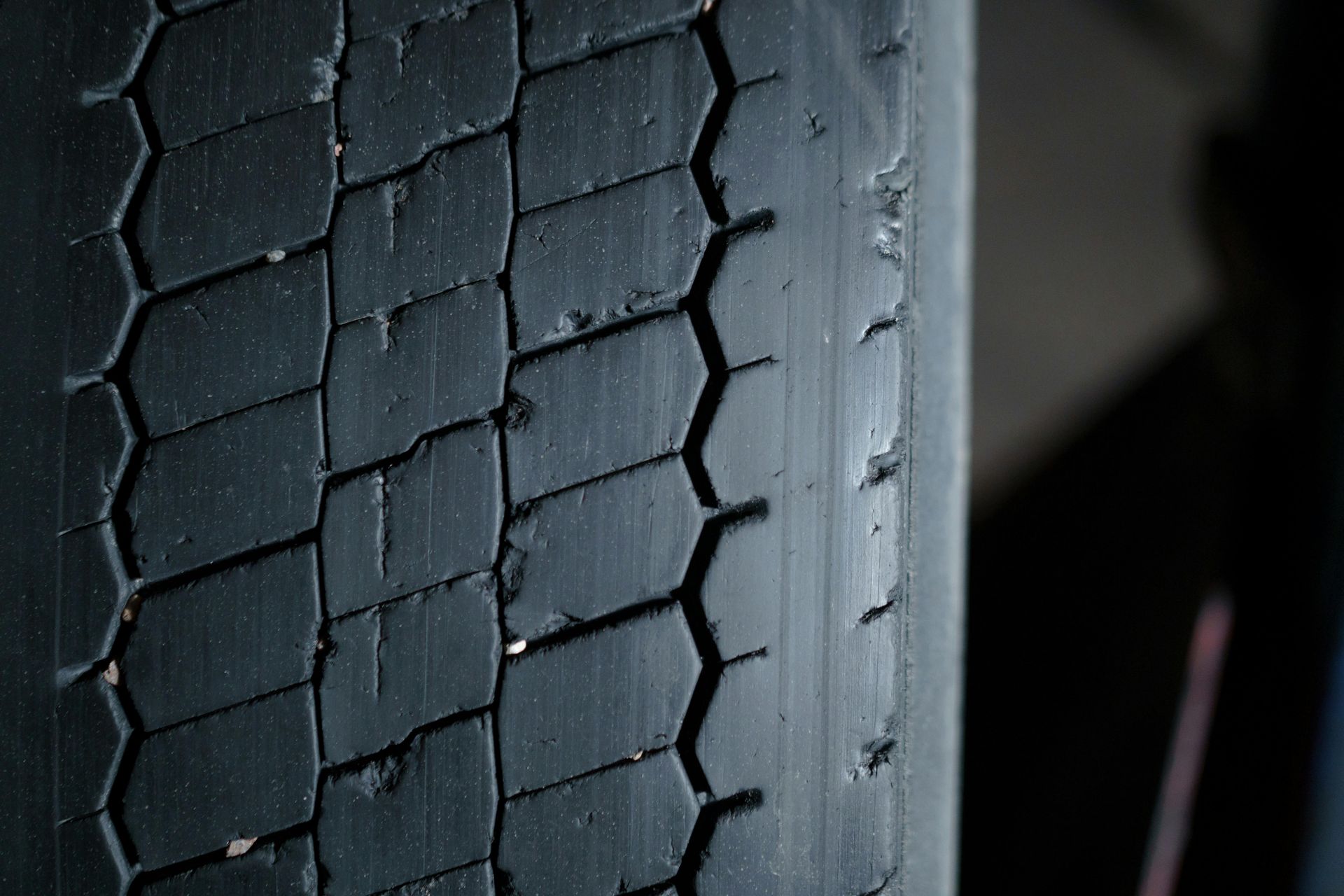
It is worth scheduling an alignment check. Even a small shift in angles can cause uneven tire wear over time.


When You Buy New Tires


New tires are an investment. Protecting that investment should be a priority.


If your previous set wore unevenly, there is a strong chance alignment played a role. Installing new tires without correcting the alignment can cause the same wear pattern to repeat.


An alignment at the time of tire replacement helps ensure even tread wear and maximum tire life.


After Suspension or Steering Repairs


Anytime suspension or steering components are replaced, an alignment should follow.


Parts like:


  • Shocks and struts
  • Tie rods
  • Ball joints
  • Control arms


Directly affect wheel angles. Even if the repair was minor, those angles must be recalibrated to manufacturer specifications.


Skipping this step can undo the benefit of the repair and shorten the life of related components.


When Your Car Shows Warning Signs


Your vehicle often tells you when alignment is off.


Common signs include:


  • Uneven tire wear
  • A crooked steering wheel
  • Vehicle drifting or pulling
  • Steering that feels loose or unstable


These symptoms should not be ignored. Misalignment does not fix itself. It gradually gets worse and can increase tire, suspension, and fuel costs over time.


Why Alignment Matters More Than You Think


Proper alignment ensures that all four tires meet the road at the correct angles. When those angles are off, your tires scrub instead of roll smoothly.


That leads to:


  • Premature tire wear
  • Reduced fuel efficiency
  • Added strain on suspension components
  • Decreased steering control


A small adjustment today can prevent hundreds of dollars in tire replacement tomorrow.


There is no universal mileage marker that works for every driver. Instead of asking “How many miles has it been?” the better question is “Has anything changed?”


If you have hit a pothole, replaced suspension parts, installed new tires, or noticed pulling or uneven wear, it is time to have your alignment checked.


Even if your vehicle feels fine, an annual alignment inspection is a smart preventative step, especially on roads that are less than perfect.


If you are unsure whether your alignment is still within spec, contact Quick Align Automotive. Our ASE-certified technicians can measure your alignment angles, make precise adjustments, and help protect your tires and suspension for the long haul.


Woman looking frustrated in front of a white car with its hood up on a road.
March 10, 2026
Hearing strange car noises? Learn which sounds signal brake, suspension, engine, or wheel problems and when to get your vehicle inspected.
Close-up of a worn tire with cracked, shallow tread pattern.
March 2, 2026
Uneven tire wear is a warning sign. Learn what different tread patterns mean, what causes them, and how to prevent costly tire and suspension damage.
Person working on a car from below. Dark clothing, glasses, gloves. Underneath car, near tire and oil can.
February 11, 2026
Not sure who to trust with your car? Learn the real signs of a trustworthy auto repair shop, even if you do not know cars.
Hands gripping a car steering wheel; interior view, blurred background.
February 4, 2026
Steering wheel not straight? Learn what it really means, how misalignment affects safety and tires, and when to have your vehicle checked.
Interior car view, driving on a road. A car in the distance, blue sky, dashboard and steering wheel visible.
January 29, 2026
Planning a road trip? Learn what to check before you go to avoid breakdowns, costly repairs, and safety issues on the highway.
Car dashboard with illuminated warning lights, including seatbelt, battery, and low fuel indicator.
January 23, 2026
Dashboard warning lights explained. Learn which lights mean stop driving immediately and which ones mean schedule service before problems get worse.
A close-up of a brake system on a car chassis, showing the rotor and caliper, with a mechanic's legs in the background.
September 17, 2025
Most drivers don’t give much thought to their brakes until they start squealing or failing to stop the way they should. But knowing the type of brakes your vehicle has—disc or drum—can help you better understand how they work, how they wear, and why regular maintenance is so important. While both systems do the same job (slowing and stopping your car), they go about it in different ways, and each has its own strengths. The Basics: How Brakes Work At their core, brakes are all about friction. When you press the brake pedal, hydraulic fluid pushes brake components against a spinning surface attached to your wheels. That friction slows the wheel, and eventually, your car. Disc and drum brakes simply use different designs to make that happen. Disc Brakes Disc brakes are the most common setup on modern vehicles, especially on the front wheels. Here’s how they work: A rotor (or disc) spins with the wheel. A caliper squeezes brake pads against both sides of the rotor. The friction slows the rotor, and therefore the wheel. Benefits of Disc Brakes Better stopping power : Because the pads clamp both sides of the rotor, disc brakes provide strong, reliable braking—especially important at high speeds. Better heat dissipation : Discs are exposed to air, so they cool faster and resist brake fade (loss of braking effectiveness when overheated). More responsive : They tend to react quickly, giving you better pedal feel and control. Lower maintenance : Pads are relatively easy to inspect and replace. This is why most vehicles today use disc brakes on at least the front wheels—and many use them all around. Drum Brakes Drum brakes are an older design, but they’re still in use, especially on rear wheels of smaller cars, trucks, and economy models. Here’s the setup: A drum spins with the wheel. Brake shoes inside the drum press outward against the inner surface. Friction between the shoes and drum slows the wheel. Benefits of Drum Brakes Cost-effective : They’re less expensive to manufacture, which helps keep vehicle prices down. Durability : Because they enclose the brake shoes, drums can sometimes last longer before needing service. Parking brake integration : Drum brakes make it easy to include a simple, reliable parking brake mechanism. While they don’t offer the same high-performance stopping power as discs, drum brakes are still effective for everyday driving needs, especially on the rear wheels where less braking force is required. So, Which Does Your Vehicle Have? Most modern cars and SUVs : Disc brakes in front, sometimes drums in the rear. Higher-end and performance vehicles : Disc brakes on all four wheels. Older vehicles and economy models : Often drum brakes in the rear. If you’re unsure, a quick look through your wheel spokes can usually tell you. Flat, shiny metal = disc brake rotor. A solid metal backing plate with no visible rotor = drum brake. Maintenance Differences Both types of brakes need regular attention, but here’s what you can expect: Disc brakes : Pads usually last between 30,000–70,000 miles, depending on driving style and conditions. Rotors may need resurfacing or replacement as they wear. Drum brakes : Shoes can last longer than pads, but when they do wear, the repair process can be more involved. Drums themselves can also warp or crack over time. No matter the system, routine inspections are key. Brakes wear gradually, so most people don’t notice the decline until it becomes a real safety issue. The Bottom Line Whether your car has disc brakes, drum brakes, or a combination of both, the important thing is that they’re working properly. Discs offer better stopping power and performance, while drums provide a cost-effective and durable solution. Both need regular maintenance to keep you safe on the road. Don’t wait until your brakes squeal, grind, or feel spongy. Regular inspections catch problems early, saving you money and keeping your vehicle safe. If you’re not sure what type of brakes your car has—or when they were last serviced— schedule a brake check with us before small issues turn into big ones.
Red pickup truck parked overlooking ocean under cloudy sky.
September 11, 2025
Your car’s suspension system doesn’t always get the same attention as the engine or brakes, but it’s every bit as important. A healthy suspension is what keeps your tires in contact with the road, your steering responsive, and your ride safe and comfortable. Unfortunately, many drivers brush off clunks, squeaks, or a rougher ride as “just an old car thing.” The truth is, ignoring suspension problems can cost you much more than just comfort—it can hit your wallet hard and put your safety at risk. Safety First: Why Suspension Matters Your suspension is designed to do three jobs: keep your tires evenly on the road, give you control when steering or braking, and absorb the bumps and dips of everyday driving. When components like shocks, struts, or ball joints wear out, those three jobs suffer. That means: Longer stopping distances because your tires don’t grip as well. Poor steering response , especially in emergency situations. Increased risk of blowouts from uneven tire wear. Those problems don’t just make driving unpleasant—they make it dangerous. Hidden Costs of a Bad Suspension It’s tempting to ignore a little bounce or a faint rattle, but here’s where that thinking backfires. Suspension issues have a way of creating a domino effect: Tire Damage Worn-out shocks and struts allow your tires to bounce excessively, which causes uneven tread wear. That cuts tire life dramatically, meaning you’re buying a new set thousands of miles sooner than you should. Brake Wear If your suspension isn’t holding the car steady, your brakes have to work harder to stop. You’ll find yourself replacing pads and rotors more often, adding hundreds of dollars in costs. Alignment Issues Suspension problems often throw your alignment out of spec. That doesn’t just cause your steering wheel to sit crooked—it accelerates tire wear and makes your car drift, which means constant corrections while driving. Collateral Damage Ignored long enough, worn suspension parts can damage ball joints, wheel bearings, and even the frame of the car. A repair that could have been a few hundred dollars can easily balloon into the thousands. What It Does to Your Driving Experience Even if money wasn’t a factor, who wants to drive a car that feels like a roller coaster gone wrong? A rough suspension means: Every bump feels like a pothole. The car leans too much when cornering. The steering feels loose or “floaty.” You’re constantly fatigued from keeping the car in its lane.  That daily frustration is avoidable—and fixing the root cause often restores your vehicle’s comfort and confidence overnight. Spotting the Warning Signs Early So, what should you watch for? Here are a few red flags your suspension may be crying out for help: The car dips forward when braking. One corner of the car sits lower than the others. You hear clunks, squeaks, or rattles over bumps. Your steering feels loose or wanders. Your tires are wearing unevenly or faster than expected. If you notice any of these, don’t wait. A quick inspection can confirm whether it’s a minor fix now or a major repair later. The Bottom Line Here’s the reality: suspension repairs aren’t something to put off. While replacing shocks, struts, or ball joints costs money upfront, ignoring the issue usually leads to: Shortened tire life (hundreds of dollars gone). Frequent brake repairs (hundreds more). Possible catastrophic damage (thousands). When you add those up, ignoring suspension problems can easily cost double or triple what a timely repair would. Not to mention the priceless cost of your safety and peace of mind. Suspension problems don’t get better with time. They get worse, and they get expensive. If you’re noticing changes in how your car handles, rides, or brakes, schedule a professional inspection sooner rather than later. Your car, and your wallet, will thank you.
A man is working on a car in a garage.
August 6, 2025
Preventative maintenance is an investment in your vehicle's longevity, safety, and performance.
A man is working on the engine of a car in a garage.
July 30, 2025
Preparing your vehicle for summer is essential to ensure a safe and comfortable driving experience